

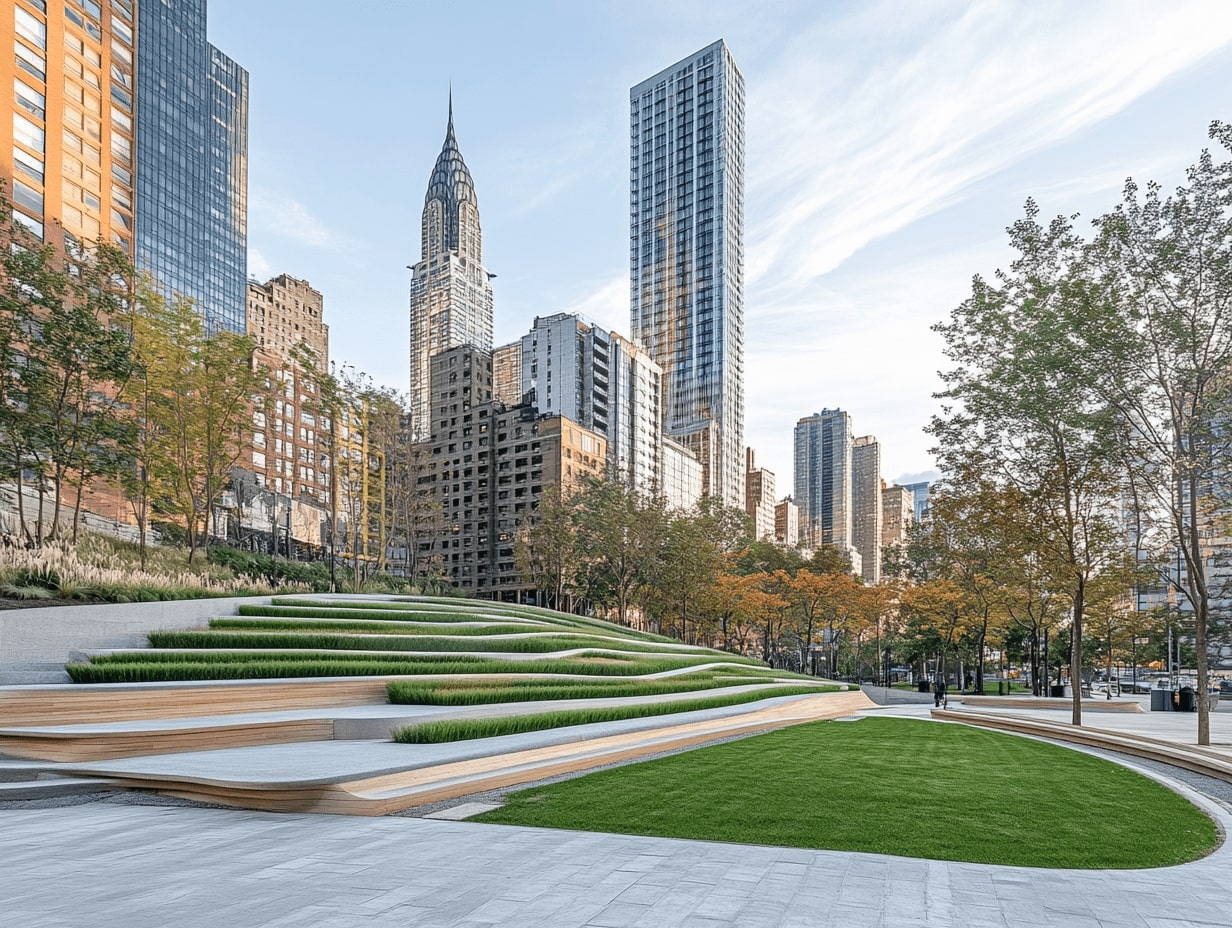
Not every part of a city needs to be a road, shop, or office building. Usable public space is what gives residents room to walk, rest, and interact without the pressure to spend money. In busy urban areas like Bangkok, even a single well-planned park or plaza can change how people experience their surroundings. Spaces such as a community center Bangkok or a shaded riverside walkway provide a break from noise and traffic, and they encourage people to use the city in ways that aren’t just about getting from one place to another.
When space is planned for people rather than only for vehicles or buildings, it opens the door for a wide range of activities. Children can play outdoors, seniors have somewhere comfortable to sit, and workers can enjoy a lunchtime walk in fresh air. The benefit is not just in leisure, but in how these moments help make city life less stressful.
Why Flexibility Matters
A usable public space isn’t locked into one purpose. It might host a morning market, serve as a meeting point during the day, and become an event space at night. This adaptability means the area stays active and relevant instead of sitting empty for most of the week. In Bangkok’s high-density districts, flexibility can make a single space feel like three or four different venues depending on the time of day.
Smaller Spaces with Big Impact
Not all usable areas need to be large parks. Pocket parks, converted alleys, and upgraded footpaths can each add value to a neighborhood. For example, widening a sidewalk and adding benches can encourage people to spend more time outside, which in turn supports local businesses nearby. These smaller improvements are often easier to achieve and maintain than large-scale developments.
A small change in layout can also make a big difference in comfort. Adding trees for shade, ensuring proper lighting, and designing clear pathways can transform an unused patch of land into a place where people actually want to be.
Supporting Community Activities
Spaces that are open and accessible make it easier for residents to organize their own events. This could be anything from weekend exercise classes to small cultural performances. When the public feels welcome to use a space, it builds a sense of ownership and pride in the area, which can help keep it well-maintained over time.
Balancing Access and Maintenance
Designing a usable space is only the first step — keeping it safe and inviting requires ongoing care. In Bangkok’s climate, regular cleaning, landscaping, and shade maintenance are essential. Good lighting and clear sightlines also help people feel comfortable using the area at different times of day.
Some spaces benefit from partnerships with nearby communities or businesses, where upkeep is shared in exchange for event opportunities or visibility. This kind of cooperation helps ensure that usable spaces remain active rather than falling into neglect.
