

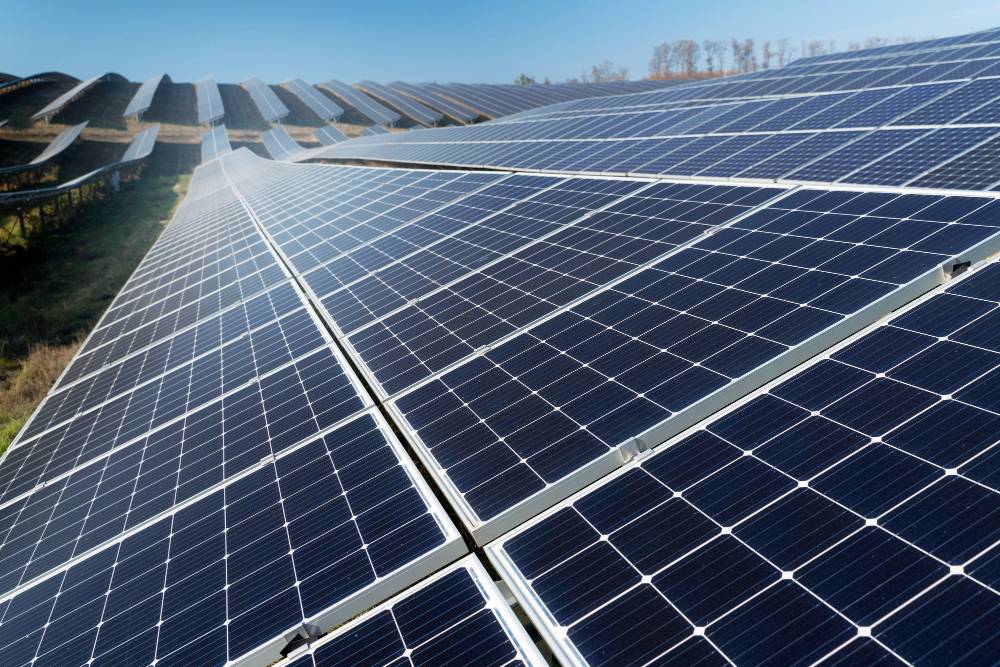
Thailand is steadily advancing toward a sustainable energy future, and hybrid solar systems are playing a pivotal role in this transformation. With a combination of solar panels, batteries, and backup generators, these systems provide a balanced, reliable power source tailored to both urban and rural demands. As energy costs fluctuate globally, hybrid systems offer a way to stabilise electricity expenses while reducing environmental impact. For local businesses and homeowners alike, these solutions are becoming an essential consideration in achieving energy independence. Learn more about possibilities like these at https://kunini.com/.
A hybrid solar system operates uniquely compared to traditional solar setups. By integrating energy storage batteries, they are designed to store excess solar power during the day and release it when required, cutting dependence on the grid. This capability is especially valuable in regions such as Thailand, where energy needs are high, and blackouts can disrupt critical operations. Additionally, when solar production dips due to cloudy weather, backup generators step in to ensure uninterrupted power.
The increasing affordability of solar technology has encouraged Thai residents to consider renewable energy solutions more seriously. The days of solely relying on conventional energy sources are gradually fading as hybrid systems address common challenges with efficiency and resilience. Companies focused on sustainable solutions are seeing their efforts gain traction as individuals and organisations alike prioritise alternative energy.
Why Thailand is the Perfect Match for Hybrid Solar Systems
Thailand’s climate is ideal for solar energy production, with abundant sunshine throughout most of the year. Hybrid solar systems take advantage of this renewable resource, generating clean energy during daylight hours, which can then be stored for usage at night. This is particularly valuable for rural communities where grid reliability is inconsistent, and having an autonomous power source can make an essential difference.
The Thai government has actively encouraged renewable energy initiatives, introducing several programmes and incentives to promote solar adoption. These policies benefit households and businesses looking to reduce their environmental footprint while enjoying long-term savings on energy costs. By investing in hybrid systems, Thailand is laying the foundation for a more sustainable future.
Benefits of Hybrid Solar Systems for Thailand
Beyond the environmental benefits, hybrid solar systems address the real-world energy challenges faced by many in Thailand. Here are some of their significant advantages:
- Energy Independence
Hybrid systems reduce reliance on the grid, especially in regions where power outages are frequent or infrastructure is lacking. This promotes self-sufficiency and ensures continuous electricity availability.
- Cost Savings
By generating electricity from solar power, users can significantly cut down on monthly utility bills. Batteries and backup options provide continuity without the need to draw pricey electricity during peak rates.
- Reduced Carbon Footprint
Thailand has been active in climate change efforts, positioning itself as a key player in adopting green practices. Hybrid solar installations contribute by minimising the use of fossil fuels.
- Resilience in Urban and Rural Settings
Urban areas benefit from reduced demand on their power grids, while rural zones experience fewer interruptions in daily activities due to energy instability.
The Road Ahead
Hybrid solar systems are more than a technological advancement; they represent a step toward a cleaner, more equitable energy future for Thailand. With continued investment in solar technologies and policies that favour environmental progress, hybrid systems are likely to become a standard feature in both homes and businesses across the country. For Thailand, this blend of innovation and sustainability ensures a brighter, greener tomorrow.
