

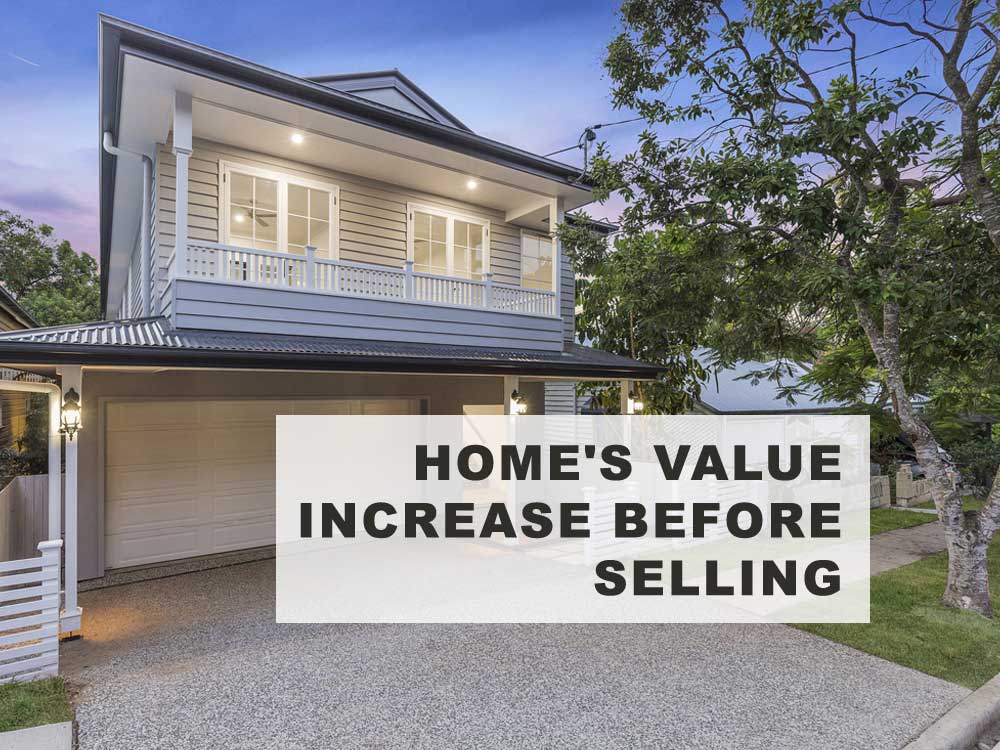
Preparing a property for sale is one of the most impactful financial opportunities a homeowner will encounter. The housing market rewards homes that convey quality, care, and functional modern living. While market conditions and location establish a baseline value for any home, targeted improvements can substantially boost the final selling price, decrease time on the market, and give you leverage during contract negotiations.
Maximizing property value does not require a complete architectural overhaul. Instead, the most effective approach combines strategic capital improvements with high-return cosmetic updates, curb appeal enhancement, and essential mechanical maintenance.
Boosting Curb Appeal and Exterior Presentation
First impressions set the emotional tone for a prospective buyer. The exterior of your home is the first visual element featured in online listing photos and the first physical impression during an in-person showing. A neglected exterior creates immediate hesitation, leading buyers to suspect hidden maintenance issues indoors.
Enhancing your property curb appeal offers a high return on investment through several focused updates:
-
Refresh the Front Entrance: Paint the front door in a welcoming, sophisticated color, replace outdated door hardware, and install modern house numbers and clean light fixtures.
-
Revitalize the Landscape: Trim overgrown trees and bushes, edge the lawn, plant colorful seasonal flowers, and spread fresh dark mulch across garden beds to create a crisp contrast.
-
Power Wash Exterior Surfaces: Deep clean the driveway, walkways, siding, porch, and deck to strip away years of accumulated dirt, mildew, and moss.
-
Repair Exterior Structure Flaws: Fix loose siding, repair cracked walkway masonry, clean out gutters, and touch up chipped exterior trim paint.
A clean, polished exterior signals to prospective buyers that the home has been meticulously cared for throughout its lifespan.
Focusing on High-Return Kitchen Renovations
In residential real estate, the kitchen remains the single most influential room for buyers. It serves as the functional center of daily family life and entertaining. However, full scale kitchen remodels can be prohibitively expensive and rarely return a complete dollar-for-dollar yield. Minor, high-impact kitchen updates frequently yield a far better return on capital investment.
Cost-effective kitchen enhancements that transform the space include:
-
Refinishing Existing Cabinets: Instead of replacing solid wood cabinets entirely, repaint or restain existing boxes and install modern, cohesive cabinet handles and drawer pulls.
-
Upgrading Countertops: Replace dated laminate or tile surfaces with durable quartz or granite countertops, which rank high on modern buyer wish lists.
-
Updating Plumbing Fixtures and Backsplashes: Install a sleek, high-neck pull-down faucet paired with a clean subway tile or stone backsplash to add immediate visual sophistication.
-
Standardizing Appliances: Replace mismatched or aging appliances with matching stainless steel units to give the kitchen an integrated, modern feel.
Modernizing Bathrooms for Luxury and Function
Bathrooms are second only to kitchens in driving property valuation. Buyers gravitate toward clean, bright, spa-like bathrooms that feel refreshed and hygienic.
You can modernize bathrooms without tearing out existing plumbing lines:
-
Regrout and Recaulk: Replace yellowed, cracked, or stained caulk and grout around tubs, showers, and sinks to make surfaces appear brand new.
-
Update Vanities and Mirrors: Replace bulky, dated vanity cabinets with modern floating or furniture-style vanities topped with undermount sinks, and replace plain builder-grade mirrors with framed decorative options.
-
Improve Lighting and Ventilation: Install bright, energy-efficient LED lighting fixtures and modern exhaust fans that keep moisture levels low and prevent mold growth.
-
Convert Tubs in Primary Suites: If space permits, converting a standard tub-shower combination into a spacious walk-in shower in the primary bathroom adds significant luxury appeal.
Applying Fresh Paint and Neutralizing Interior Spaces
Paint is the most powerful, affordable cosmetic tool available to a seller. Over time, walls accumulate scuffs, stains, and faded spots. Furthermore, bold accent colors or personalized wall choices make it difficult for buyers to envision their own furniture and lifestyle in the space.
Applying a fresh coat of low-VOC, interior paint in warm neutral tones like soft greys, off-whites, or muted beiges instantly brightens rooms and makes spaces feel larger. Pay equal attention to baseboards, interior doors, and door frames, as clean white trim creates crisp visual boundaries that elevate the overall sense of interior quality.
Maximizing Lighting and Space Perception
A dark or cluttered home feels smaller, older, and less inviting. Bright, open interiors command higher offers because they evoke feelings of comfort and modern design.
To optimize light and space throughout your property:
-
Upgrade Lighting Fixtures: Replace outdated flush-mount ceiling lights, brass chandeliers, and old ceiling fans with contemporary fixtures.
-
Optimize Natural Light: Clean windows inside and out, remove heavy drapery, and install sheer window treatments that allow natural sunlight to fill living areas.
-
Increase Light Bulb Wattage: Ensure every light fixture utilizes bright, warm-temperature LED bulbs to eliminate dark corners during evening showings.
-
Declutter and Depersonalize: Remove excess furniture, personal family photos, and cluttered items from countertops, closets, and floor spaces to emphasize square footage and storage capacity.
Addressing Mechanical Systems and Essential Maintenance
Cosmetic upgrades attract buyers, but unresolved mechanical or structural defects can easily kill a contract during the home inspection phase. Buyers often overestimate the cost of mechanical repairs and will demand aggressive price concessions or walk away entirely if major systems are failing.
Prioritize servicing or repairing essential home infrastructure before listing:
-
Roofing Integrity: Repair broken or missing shingles, fix flashing leaks, and ensure the roof has several years of operational life remaining.
-
Heating, Ventilation, and Air Conditioning Systems: Have your HVAC system professionally serviced, change air filters, and clean ductwork to provide proof of system performance.
-
Electrical and Plumbing Systems: Fix dripping faucets, repair slow drains, replace outdated electrical outlets with GFCI outlets near water sources, and ensure the main breaker panel meets modern safety codes.
-
Foundation and Waterproofing: Address basement dampness or minor foundation cracks proactively to remove red flags for home inspectors.
Finishing Unused Space to Add Usable Square Footage
Total finished square footage directly impacts a property’s market value comparison against neighboring sales. Converting unfinished or underutilized areas into functional living spaces offers an effective way to increase total property valuation.
Finishing a basement to include a family rec room, home office, or extra bedroom adds substantial square footage. Similarly, transforming an underutilized attic space into a primary suite or finishing an outdoor shed into a heated flex-space addresses the high market demand for dedicated home offices and gym space.
Frequently Asked Questions
Which home improvement projects offer the highest return on investment before selling?
Minor kitchen updates, fresh interior paint in neutral colors, curb appeal landscaping, and replacing an old garage door consistently yield the highest percentage return on investment at resale.
Is it worth doing major renovations right before putting a home on the market?
Generally, no. Major structural overhauls or luxury custom remodels rarely return one hundred percent of their cost when sold immediately. It is better to focus on minor updates, cosmetic repairs, deep cleaning, and mechanical maintenance.
How much should I spend on home improvements prior to listing my property?
A practical guidelines is to budget between one and three percent of your home’s total estimated market value for presale updates, focusing primarily on high-impact areas like paint, curb appeal, light fixtures, and minor kitchen or bath refreshes.
Should I hire a professional home stager before selling?
Yes, professional staging can be highly effective. Staged homes typically sell faster and for higher prices because professional furniture arrangement maximizes room flow, highlights architectural features, and helps buyers visualize how to utilize square footage.
Is a pre-listing home inspection necessary?
A pre-listing inspection is very useful because it allows you to discover hidden mechanical, structural, or safety issues before buyers do. This gives you time to fix defects on your terms rather than negotiating under pressure during escrow.
How does smart home technology impact property value?
Smart home additions—such as programmable thermostats, keyless front door locks, smart video doorbells, and automated security systems—appeal strongly to modern buyers, serving as low-cost features that make a listing feel updated and secure.
