

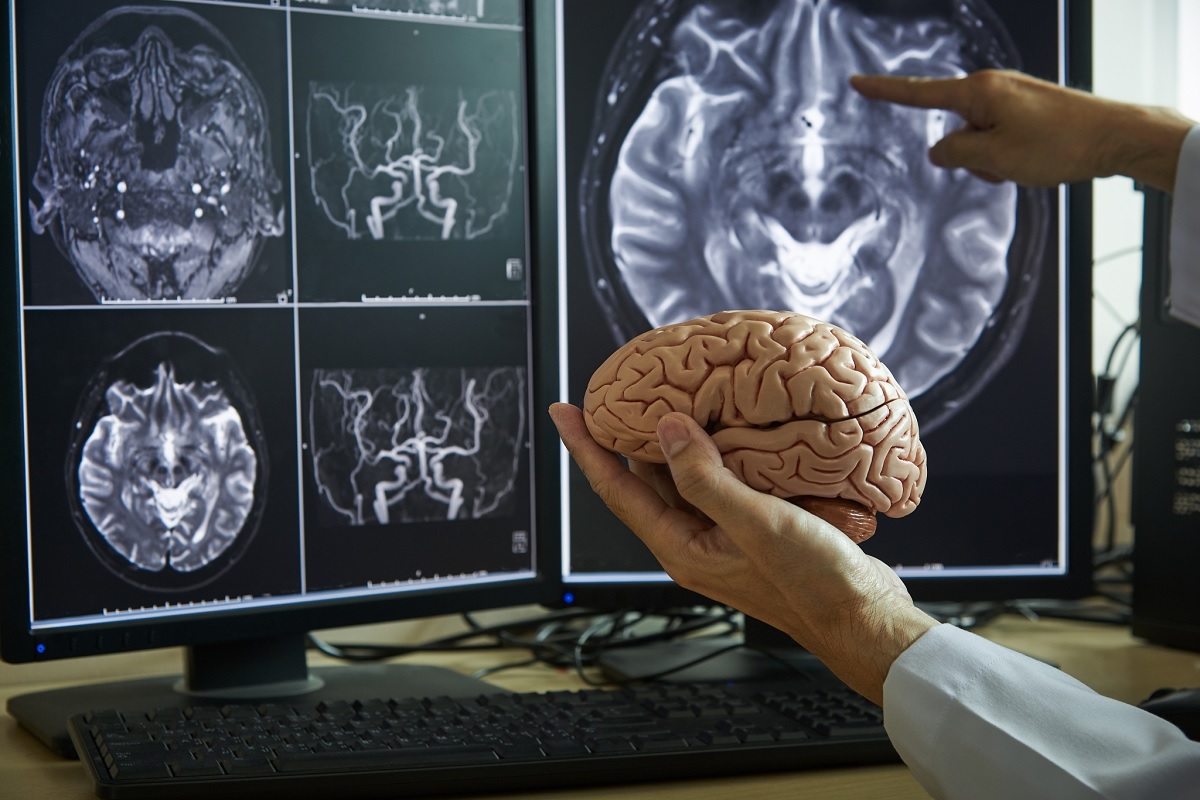
Long-time period substance abuse modifications the bodily structure of the mind. That’s not a metaphor. But the same organ that adapts to addiction can also adapt back towards health, and it starts doing so faster than most people expect once substance use stops.
The brain isn’t broken, it’s rewired – and rewiring works both ways
“Neuroplasticity” is often defined as the brain’s ability to form new connections and prune old ones based on experience. Addiction, though, involves a biochemical hijacking of this system. Repeated drug or alcohol exposure convinces the brain that an exogenous substance is as necessary for survival as food or water – the brain “rewires” itself to hold this thought. Fortunately, neuroplasticity continues into recovery – it simply moves in a more positive direction. A famous 2000 study published in Proceedings of the National Academy of Sciences found that London taxi drivers had significantly enlarged posterior hippocampal volumes compared to non-taxi drivers. Their brains literally grew in response to a history of navigating while at work. If an adult brain can form structure in response to repeated memorizing of city streets, it can form structure in response to repeated recovery too. Here are five specific ways it does this.
1. The prefrontal cortex rebuilds impulse control
The prefrontal cortex is the part of the brain that is responsible for decision-making and planning. It is the region that is most harmed through continued substance abuse, as drug use teaches the brain to value short-term pleasure over long-term consequences. This area generally sees a reduction in gray matter due to chronic use, which can severely limit a person’s ability to resist new cravings, cope with negative emotions, or even think logically about the outcomes of their actions.
This is one of the most vulnerable times in sobriety, and it is also the reason why medical stabilization is necessary before any long-term progress can be made. The human brain cannot rebuild itself when it is still flooded with toxic chemicals. This is where the case for medical oversight changes from an added bonus to a basic necessity. Programs like Legacy Healing exist specifically to manage this early phase safely, easing the body through withdrawal so the nervous system isn’t fighting for survival while it’s also trying to repair itself. Without going through a period of medical detox, the body experiences the full physical strain of withdrawal, leaving the prefrontal cortex open to additional damage through stress and overuse, right at the time when it needs to be healing the most.
Thankfully, the prefrontal cortex is one of the main regions that rebound most consistently after a person gives up drugs. In many cases, improvements can be seen as early as the first six months after the last use. It is also what most families mean when they say a person “reverts to their old self” when they start getting sober – this isn’t some spiritual change, it’s an actual part of the brain growing back.
2. Dopamine receptors slowly come back online
Continuous substance use elevates dopamine levels in the brain’s reward system well above those triggered by natural rewards such as food, social interaction, or exercise. The brain adapts to this flood of dopamine by producing fewer D2 dopamine receptors; users are physiologically incapable of feeling the same rush of pleasure or contentment they used to feel. This isn’t a lack of willpower or a character flaw; this is a medical condition.
During abstinence, D2 receptor levels slowly begin to rise again. This process, known as upregulation, is one of the most studied markers of brain recovery. It doesn’t happen overnight. Most people notice the shift in pieces: food starts tasting better, music hits differently, a laugh with a friend feels genuine instead of hollow. These small moments are evidence that the reward system is recalibrating toward normal sensitivity rather than needing a substance to register pleasure at all.
3. The hippocampus grows new neurons and memory sharpens
The hippocampus is responsible for creating new memories and plays a central role in regulating human emotion. The chronic use of drugs and alcohol has been associated with reduced hippocampal volume, and research suggests that significant decreases in neurogenesis, or the creation of new neurons, are observed during active addiction. Impairments of hippocampal functioning may thus account for the short-term memory deficits, emotional instability, and “mental fog” observed in active users.
During abstinence neurogenesis seems to be “re-activated” and abusers may recover some of their cognitive faculties. Notwithstanding, sleep disturbances commonly experienced during withdrawal can mitigate new cell growth in the hippocampus and rapid eye movement sleep, or REM sleep, is especially important in the developmental process of newborn neurons.
4. White matter repairs itself, speeding up brain communication
White matter is essentially the cabling that allows high-speed communication between different brain regions. It’s a material that’s largely comprised of myelin, which is kind of like the brain’s rubber insulation that makes thoughts move faster. Alcohol and addictive drugs break down this insulation in the long term. The result is slower thought speed, and weaker coordination between brain regions.
Get rid of the alcohol and addictive substances, and your brain will start to once again rebuild that insulation. This is a major reason that cognitive effort can start coming back down to normal levels as we begin to heal in sobriety. What felt like an exhausting amount of work – during a simple conversation, multitasking, or even just shifting our thoughts from one idea to another – becomes much more manageable. Your computer won’t be forced to use half its power just to cool itself.
One of the best accelerants of the process is aerobic exercise. This actually helps your body produce a specific protein in the brain called BDNF. BDNF is like fertilizer for the kind of repairs we’re talking about here. It’s implicated not just in regrowing our wires but growing new baby neurons.
5. The amygdala calms down and stops overreacting to stress
The amygdala is responsible for fear and anxiety responses within the brain. When it comes to long-term drug abuse, the activity in the amygdala is increased, particularly in response to environmental cues linked to drug-taking; these cues could be certain locations, other people, sounds, or even certain times of day. The overstimulation plays a significant role in intense craving and potential relapse, as the amygdala may activate a stress response that is powerful enough to suppress the more rational part of the brain, the prefrontal cortex.
During the recovery process, the amygdala starts to readjust. It becomes less sensitive to stress and drug-related cues as the brain’s reward system and impulse control take on their responsibilities once again. This doesn’t mean that cravings just vanish. It simply means that the amount and intensity of stress-induced cravings decrease, giving people more time to use their newly developed coping mechanisms in therapy as opposed to simply reacting. Cognitive-behavioral therapy i.e. CBT helps to speed up this process by training the prefrontal cortex to overrule the amygdala; it helps to reinforce the neural pathway in the same way that physical therapy helps to strengthen a muscle on the mend.
Why the glutamate system matters more than people realize
Most discussions on brain recovery are centered on dopamine, however, the glutamate system is equally perhaps even more important. Long-term substance abuse disrupts glutamate signaling causing a situation where neurons become overactivated and that leads to cell damage. This imbalance contributes to a lack of emotional stability, anxiety, and sometimes even the physical symptoms of withdrawal.
Detox and the first days of abstinence provide the time for glutamate levels to become balanced, which in turn helps protect neurons and elevates mood. This is also why the first days of recovery are a painful emotional rollercoaster. Your brain is repairing a chemical imbalance that took months or even years to form. That is why medical detox is not just about comfort but also about protecting neurons from further damage while your brain gets busy rewiring itself.
Set realistic timelines, not perfect ones
Healing in the brain is not a straight line, and it isn’t rapid. Certain progress, like improved sleep or lower anxiety, might be noticed in the first month. Other improvements, such as complete recovery of hippocampal volume or total remyelination, may not be evident for a much longer period. The post-acute withdrawal syndrome (PAWS) reflects the residual mood swings, sleep disturbances, and cognitive fog that can remain within six months to two years since the last substance use.
It’s important to know this in advance because it makes a difference. Many people will dump their recovery if they don’t feel “right” within the first month or so only to discover that their “real selves” are just ordinary people, who got tired, or who got sad in this context. Recovery isn’t just “a decision”. It’s your body healing, regrowing receptors, and changing its neuronal wiring in a timeline of months to years, not days to weeks.
The starting point for all of it
None of these five repair processes can happen safely without first getting through withdrawal in a stable, supported way. Trying to force the brain through detox without medical support puts additional stress on a system that’s already overtaxed, and in some cases it can cause the kind of physical harm that sets recovery back months. Medical detox isn’t a formality before “the real work” of recovery begins. It’s the stabilization layer that makes every mechanism described above possible in the first place.
The brain that comes out the other side of long-term substance abuse isn’t the same brain it was before. But it’s not permanently damaged either. Given time, support, and the right conditions, it does what it’s built to do: adapt, repair, and grow.
